
Communication

  • / / / / /

    Understanding Neurodiversity: 5 Barriers to Inclusion and Solutions for Empowerment

    Explore the hidden barriers that lead to the exclusion of neurodiverse individuals in our communities. Discover insights and solutions rooted in empathy and understanding.

  • / / /

    Visual Boards Routine: Calm Your Home & Boost Communication

    Using these boards at home doesn’t have to be complicated. It’s all about weaving them into your daily routines. Here are a few examples:

    Example 1: The “What Do You Want?” Board (Requests)

    Let’s say it’s snack time. Instead of just asking, “What snack do you want?” and potentially getting frustrated if your child struggles to answer verbally, you can use a simple board with pictures of available snacks: apple slices, crackers, yogurt.

  • / / / / / / /

    Squish, Roll, Connect! Fine Motor Skills Through Tactile Play

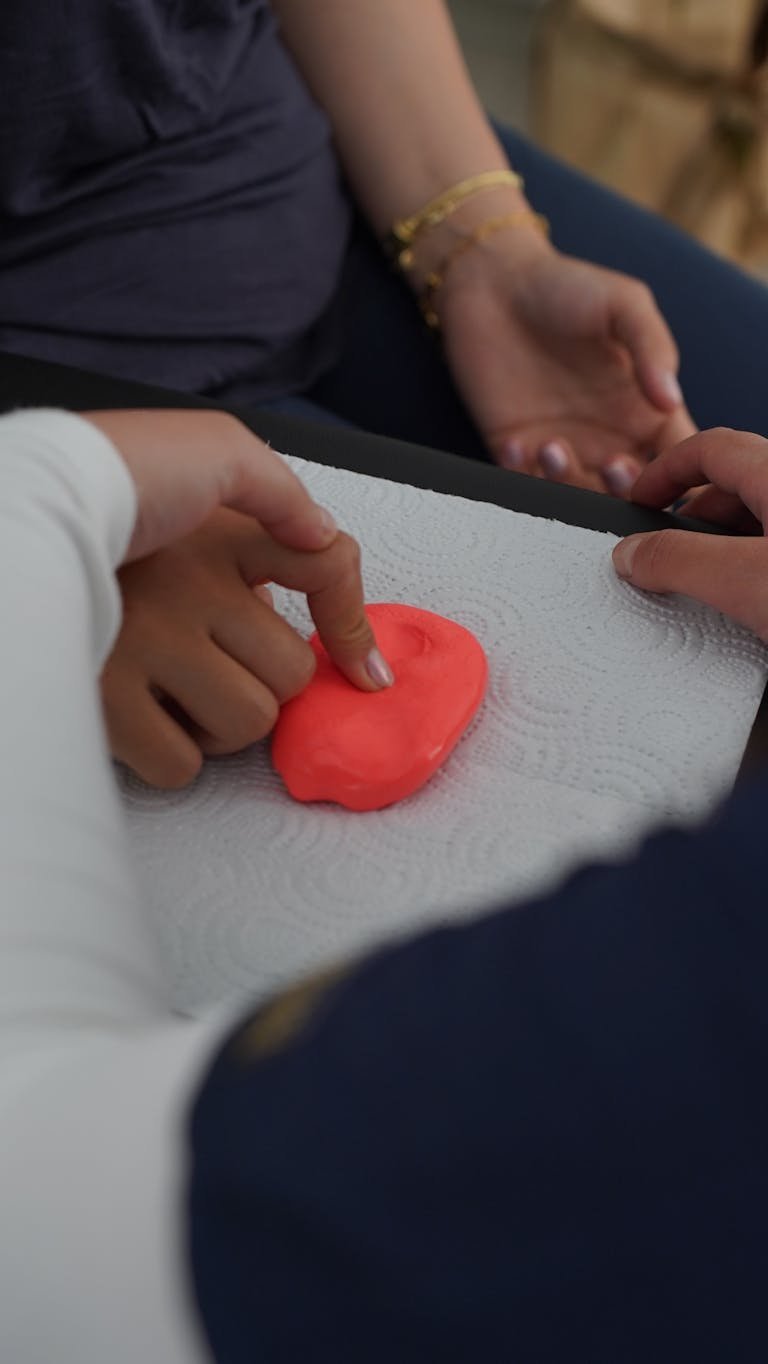
    Every time a child interacts with these materials – squeezing, rolling, pinching, pulling, poking, or flattening – they are giving their hand and finger muscles a fantastic workout. It’s resistance training and dexterity practice disguised as play! Strengthening these muscles and improving control lays a crucial foundation for countless other skills.

  • / / / / / / / / /

    Making Sense of Meltdowns, Shutdowns & Overwhelm

    When your child experiences those huge reactions – the ones that might look like massive tantrums, complete shutdowns, or anything in between – it’s so easy to feel lost, frustrated, or even judged. But here’s something crucial I want you to hold onto: These intense moments are very rarely about defiance or being ‘bad.’ They are almost always involuntary responses. Think of it like a system overload, a distress signal saying, “I can’t cope right now!”

  • / /

    Setting the Stage for “I Need…” Moments

    I’ve seen magic happen when we tap into the power of connection and purposeful play. One of the biggest “a-ha!” moments for many parents (and therapists!) is realizing how much communication blossoms when we create just the right opportunities for it.

  • / / / / / / / / / /

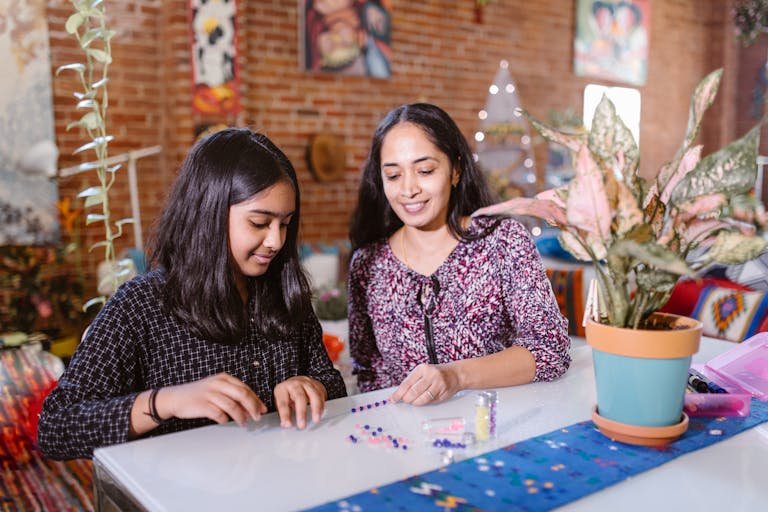
    Building Skills and Connections, One Bead at a Time

    This is where beads and buttons become your secret weapon. Seriously. Picking up those tiny objects, holding them just right, threading them onto a string or pushing them through a buttonhole – we’re talking about fundamental fine motor skills here. Dexterity, pincer grasp, hand-eye coordination.

  • Want to Help a Child Struggling with Reading? Unlock the Power of Phonemic Awareness & Phonics

    For children with autism, developing strong literacy skills opens doors to communication, independence, and academic success….

  • / / / / / / / /

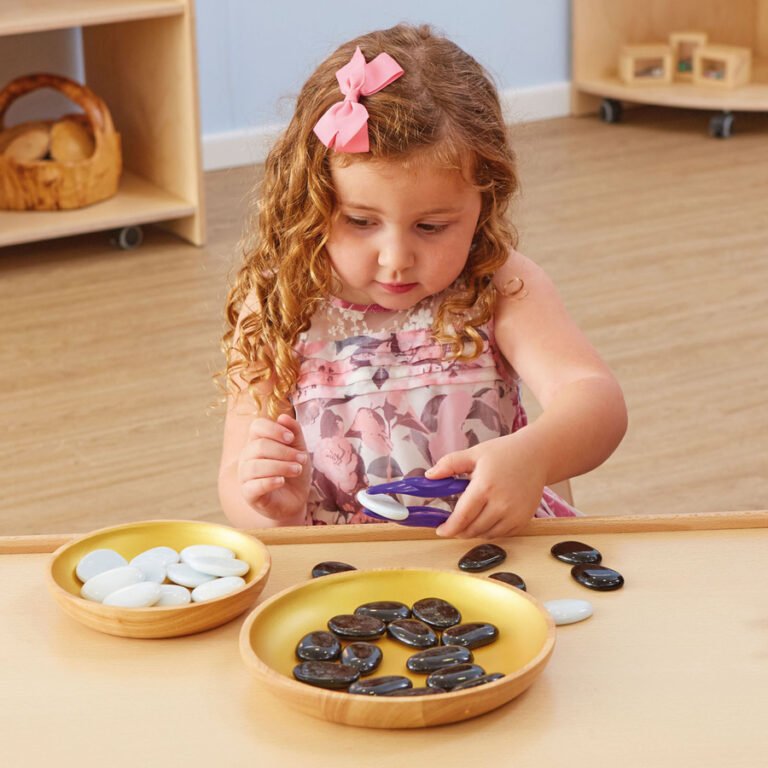
    Confessions of a Tweezer Trainer: Making Fine Motor Fun

    Okay, let’s switch gears and talk therapist-to-therapist, or therapist-to-parent-who-feels-like-a-therapist-sometimes, about those moments where a skill feels…

  • / / / / /

    Beyond the Toy Box: Turning Everyday Moments into Big Wins

    Okay, wonderful parents! Let’s talk about something you do every day: PLAY! As a parent navigating…