
Back in September 2024, our blog published a piece diving into what ethical ABA really is; now, we’re returning to that conversation, fueled by the very real fears some parents are still experiencing about ABA treatment.
I hear this story, and honestly, it hits me right in the feels every single time. A parent, watching their kid just blossom after kicking off Applied Behavior Analysis (ABA) services, will look at me with a mix of joy and regret. “I wish we had started this sooner,” they’ll say. Just recently, the mom of an incredible teenager – who, by the way, has made some seriously awesome strides in his everyday life after only five months of ABA – dropped that exact line on me. So, I had to ask, right? “Why the wait?” And her answer? It was pure, unadulterated fear.
Fear of what she read online. Fear of making her son uncomfortable. Fear of exposing him to something some folks out there label as “abusive.”
And you know what? Those fears are valid. They’re real. And they’re totally understandable. The internet, a place we all navigate for information, can sometimes feel like a digital minefield, packed with outdated ideas, sensationalized stories, and flat-out misinformation. But here’s the kicker: What if we could actually cut through all that noise? What if we could truly understand what ethical ABA therapy is now? Because, spoiler alert, it’s not what some of those old articles might have you believe. It’s a powerful, evidence-based tool that genuinely changes lives for the better. And we’re talking big, meaningful changes.
Let’s Pop the Hood on Those Fears: Debunking Common Myths About ABA
It’s time to tackle these common fears head-on. Because, let’s be honest, understanding is the first step toward getting unstuck and truly making a difference. As an RBT with a ton of experience, I’ve seen how these worries can put the brakes on vital support.
Fear #1: “ABA therapy is Abusive and Inhumane. Seriously?”
Okay, this one is probably the toughest to hear, and it’s a big reason why there’s so much hesitation out there. This misconception often comes from a place of outdated knowledge, harking back to early behavioral practices that, frankly, aren’t part of ethical ABA anymore. Yes, early forms of behaviorism laid some crucial groundwork, but some methods used way back when were, well, aversive. The good news? The field of ABA has grown, evolved, and gotten a serious glow-up. We’ve got strict ethical guidelines in place, set by the Behavior Analyst Certification Board (BACB). Trust me, these aren’t just suggestions; they’re the rules of the road. You can even check out their comprehensive ethical guidelines right on the BACB website if you want to dig deeper.
The Real Deal with Ethical ABA: Modern, ethical ABA therapy is all about the individual. It’s person-centered, and its bedrock is positive reinforcement ABA. What does that even mean in plain English? It means we focus on teaching new skills and boosting awesome behaviors by giving meaningful rewards when a person does those behaviors. Think about it: if a kid learns to say “toy, please!” instead of just crying, and then boom, they get the toy? They’re way more likely to use their words next time. It’s all about building communication, social smarts, and daily living skills in a way that’s genuinely motivating and, most importantly, respectful. Our ultimate goal? To seriously bump up an individual’s quality of life. We’re not here to change who they are, just to give them more tools to navigate their world.
Fear #2: “ABA Therapy is Robot-Like and Stifles Individuality. My Kid Isn’t a Machine!”
This is another big one floating around online – the idea that ABA turns people into robots, squashing their unique personalities or natural “stimming” behaviors. Let me be super clear: this is a major misunderstanding of what modern, ethical ABA therapy is trying to achieve.
The Real Deal with Ethical ABA: Our whole mission is to crank up an individual’s independence, their ability to make choices, and their access to their community. We work with individuals and their families. This isn’t a top-down, “do-what-we-say” kind of thing. We figure out goals together that actually matter to them. And those unique self-stimulatory behaviors (stimming)? If they’re not hurting anyone, not getting in the way of learning, or stopping them from participating in life, then honestly, why would we mess with them? Our focus is on building functional communication, crucial social skills, and adaptive behaviors that empower individuals to navigate their world more effectively and safely. We’re opening doors, not slamming them shut. We’re all about joyful learning and building genuine, authentic connections.
Fear #3: “ABA therapy is Only for ‘Fixing’ Autism, Not for Understanding and Acceptance. That’s Not What Neurodiversity is About!”
This fear often comes from the idea that ABA somehow labels autism as something “broken” that needs “fixing” instead of embracing neurodiverse support. It’s a perspective that misses the bigger picture of what we do.
The Real Deal with Ethical ABA: Look, ABA is a science of behavior. It’s a framework for understanding and changing behavior, and it applies to everyone. When we apply it to autism, it’s about reducing challenging behaviors that might be dangerous or seriously blocking someone from learning, and teaching adaptive skills that promote independence and inclusion. We operate from a deep place of acceptance and understanding of neurodiversity. Our focus isn’t on erasing who someone is; it’s on building skills that let individuals truly thrive in their own unique way. Whether that’s clearly communicating their needs, building friendships, or rocking their favorite leisure activities. It’s about empowering individuals to live their fullest lives, on their own terms. Pure and simple.
Fear #4: “ABA therapy is Too Intensive and Demanding for Children. My Kid is Already Tired!”
The idea of intense ABA programs can feel overwhelming for parents, especially when they’re already pouring so much energy into supporting a neurodiverse child. These ABA misconceptions about intensity can truly add to parental stress.
The Real Deal with Ethical ABA: The intensity of an ABA program is totally decided by the individual’s needs and their goals. It’s always adjusted to ensure learning happens without overwhelming the person. Our top priority? A positive, engaging, and joyful learning environment. We’re talking play-based learning, teaching in natural settings (no rigid classrooms unless that’s the goal!), and always, always incorporating a child’s interests. We want learning to be fun, motivating, and woven right into daily life. It’s about building a solid skill set through consistent, quality instruction, not about pushing a child past their limits. It’s a completely tailored approach, always keeping comfort and progress front and center.
The True Power of Ethical ABA: It’s a Tool for Real Growth and Empowerment
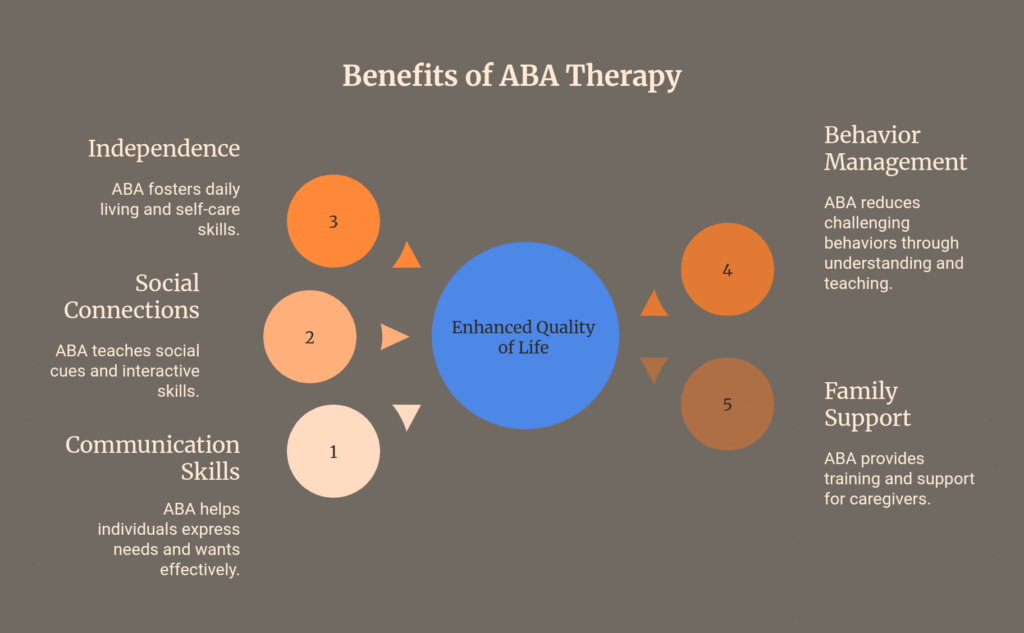
That story about the teenager and his mom? It’s a prime example of the profound impact ethical ABA therapy can have. When it’s done right – by qualified, ethical professionals – ABA is a genuine game-changer. It empowers individuals and their families by offering significant ABA benefits:
- Crushing Communication Barriers: From teaching first words to helping someone hold complex conversations, ABA gives individuals the tools to express exactly what they need and want.
- Building Awesome Social Connections: By teaching social cues, how to play interactively, and conversational skills, ABA can open up incredible doors to meaningful friendships and interactions. Think about the joy that brings!
- Boosting Independence: Daily living skills, self-care routines, and executive functioning skills – these are often targets in ABA, leading to greater autonomy and confidence.
- Tackling Challenging Behaviors: By understanding why a behavior is happening and teaching better, safer ways to respond, ABA helps reduce behaviors that might be dangerous or get in the way of learning. This creates a much more positive and safer environment for everyone involved.
- Seriously Supporting Families: Parents and caregivers aren’t just bystanders; they’re an essential part of the ABA process. They get training and behavior therapist support to help them use strategies that make skills stick across different places and situations. This teamwork means the changes truly last.
The Gold Standard: Ethical Practice in ABA is Non-Negotiable
As RBTs with loads of hands-on experience, we live and breathe the BACB ethical code and the guidelines set by the Behavior Analyst Certification Board. This isn’t just talk; it means every service we provide meets the highest standards of care. This commitment means:
- Individualized Treatment: Every single program is custom-made for the specific needs, strengths, and even the preferences of the client. It’s their journey, and we respect that.
- Client Dignity and Rights: The client’s well-being, their comfort, and their choices are always, always at the top of our list. It’s about a respectful and dignified experience.
- Data-Driven Decisions: We don’t guess. We use data to track progress, make smart, informed decisions, and ensure that what we’re doing is actually working. If it’s not, we adjust!
- Collaboration is Key: We work shoulder-to-shoulder with families, other professionals, and the client themselves (when they’re able to participate) to ensure a truly holistic approach. It’s all about building a strong, supportive network.
- Always Learning: RBTs and BCBAs are constantly leveling up, engaging in ongoing professional development to stay on the cutting edge of ethical behavior analysis. We’re always striving to be better for you.
Don’t Let Fear Be the Boss of You
If you’re a parent trying to figure out the best way to support your neurodiverse child, or even a fellow behavior therapist striving to give the absolute best services, please remember this: those autism therapy fears about the unknown? They can be super powerful. But the sheer potential for growth, for independence, and for a richer, fuller life that ethical ABA therapy offers? That’s even more powerful.
Don’t hesitate. Reach out. Ask all the questions you have. Find qualified professionals who make ethical practices and truly person-centered care their top priority. Think of this as your parent guide ABA – a starting point. The road might seem a little bumpy at first, but with the right support, it can lead to breakthroughs you never thought possible. Just like the amazing leaps we’ve seen with our teenage client. Seriously, don’t let fear be the reason you miss out on a path that could unlock someone’s incredible potential.
If you have any question, please, contact us, the Behavior Therapist (with a backpack) is ready to offer his expertise to guide you into the right path.